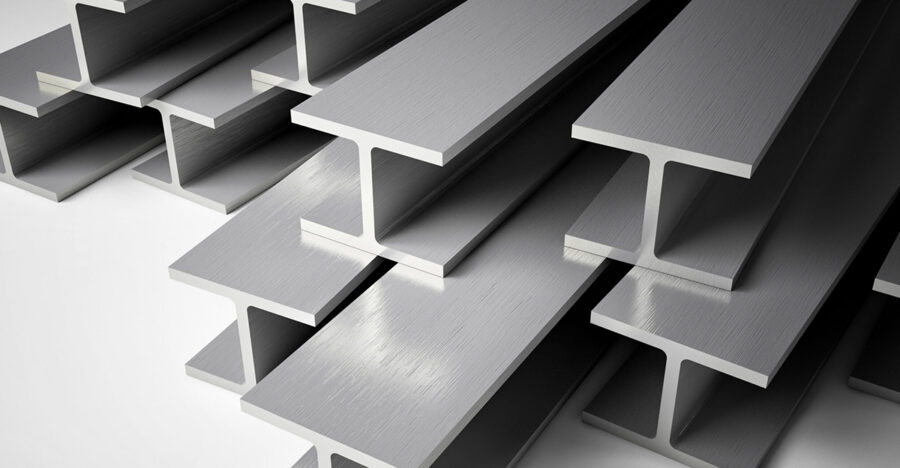
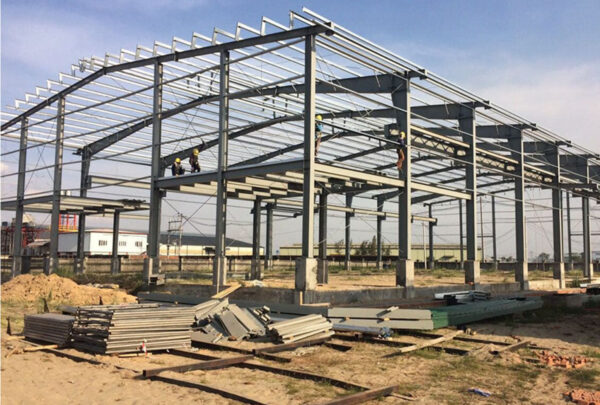
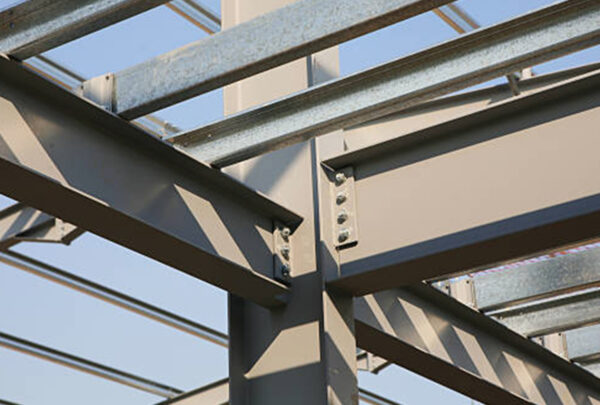
Structural steel is a category of steel used for making construction materials in a variety of shapes. Many structural steel shapes take the form of an elongated beam having a profile of a specific cross section. Structural steel shapes, sizes, chemical composition, mechanical properties such as strengths, storage practices, etc., Are regulated by standards in most industrialized countries. Most structural steel shapes, such as I-beams, have high second moments of area, which means they are very stiff in respect to their cross-sectional area and thus can support a high load without excessive sagging.
Why Structural Steel Matters
1. High Strength-to-Weight Ratio Steel offers exceptional strength while remaining relatively lightweight, making it ideal for large-scale structures without excessive load on foundations.
2. Design Flexibility Architects and engineers can create innovative designs—from sleek skyscrapers to complex industrial setups—thanks to steel’s versatility.
3. Durability & Longevity Structural steel resists cracking, warping, and pests. With proper treatment, it can withstand extreme weather conditions and last for decades.
4. Faster Construction Prefabricated steel components allow quicker assembly on-site, reducing construction time and labor costs.
5. Sustainability Steel is 100% recyclable, making it an environmentally responsible choice for modern construction.
Common Applications
High-rise buildings
Bridges and flyovers
Warehouses and factories
Airports and stadiums
Residential and commercial structures
Types of Structural Steel Sections
I-Beams (H-Beams): Used for heavy load-bearing structures
Channels (C-Sections): Ideal for support frameworks
Angles: Common in trusses and frames
T-Sections: Used in specialized load applications
Freequently Asked Question
How long does structural steel last?
With proper maintenance and protection, structural steel structures can last 50–100 years or more.
What are the common types of structural steel sections?
Why is structural steel preferred over other materials?
Because of its high strength, durability, flexibility, and faster construction time. It also allows modern architectural designs that are difficult with concrete or wood.
We use cookies to give you the best experience. Cookie Policy